
1. The Oldest Form of Decoration and Utility
Embroidery dates back to 30,000 years ago, beginning as both an art form and a practical solution for reinforcing clothing. Fossilized remains found in ancient China show hand-stitched garments created with bone needles and plant fibers. These early humans developed embroidery not for beauty alone but to shield clothing from harsh weather. Over time, the combination of functionality and aesthetic appeal laid the groundwork for what would become a celebrated craft spanning continents and cultures.
2. Heilmann’s Revolutionary Machine (1828)
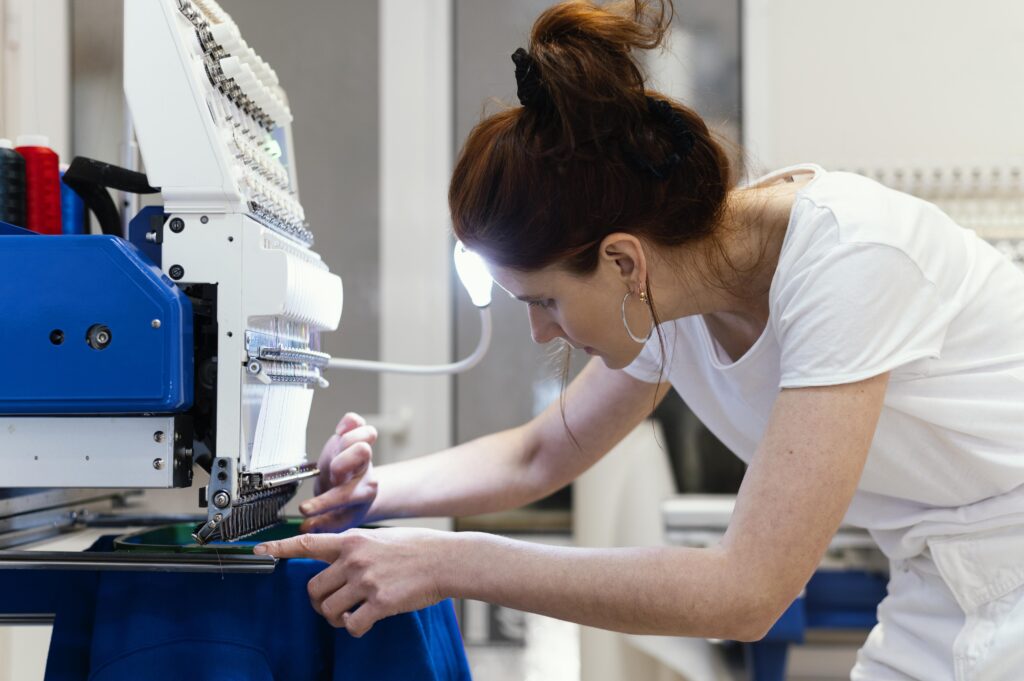
Fast forward to the 19th century, and embroidery underwent a technological revolution. In 1828, Joshua Heilmann designed the first mechanical embroidery machine. Unlike manual methods, where needles moved through fabric, Heilmann’s invention innovatively reversed the process: the fabric was guided toward a dual-pointed needle with an eye in the center. This allowed for multi-directional stitching, mimicking hand embroidery with far greater precision and efficiency. Though Heilmann sold only two machines during his lifetime, his blueprint paved the way for modern embroidery equipment, including today’s computerized machines capable of crafting 1,000 stitches per minute.
3. A Medieval Marker of Wealth
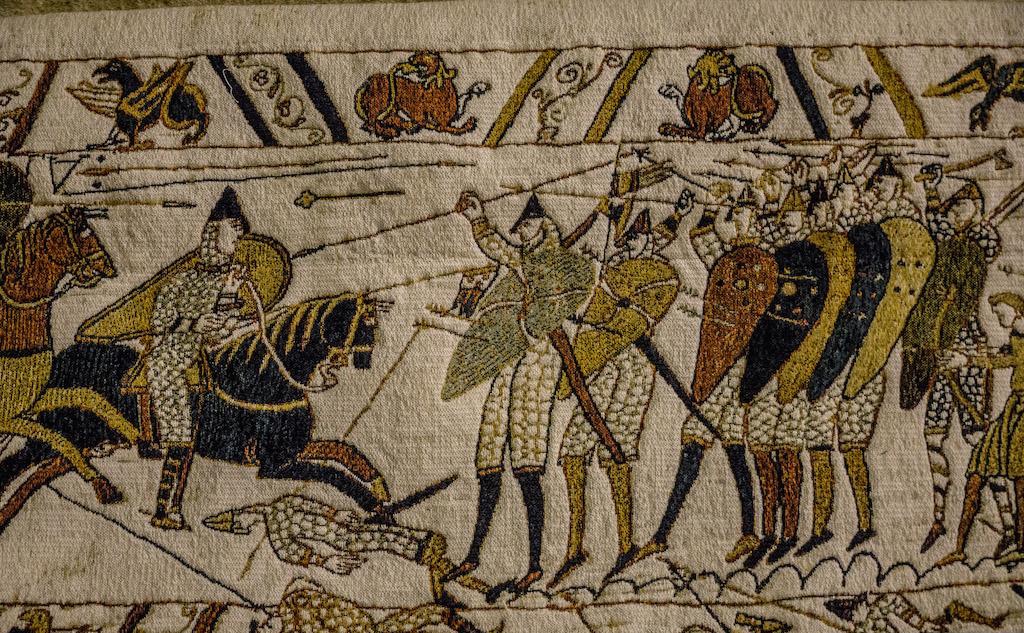
In medieval Europe, embroidery became a status symbol. Wealthy nobles and royals wore garments adorned with gold and silver threads, often enriched with gemstones. Creating such intricate designs could take artisans several months, reflecting the wearer’s wealth and influence. Beyond clothing, embroidered textiles like the Bayeux Tapestry—measuring 70 meters long—served as visual histories, documenting events such as the Norman Conquest of England in 1066. These masterpieces exemplified how embroidery went beyond personal decoration, becoming a medium for storytelling and cultural preservation.
4. Embroidery on Unconventional Surfaces
Traditionally associated with fabric, embroidery has expanded its reach thanks to technological advancements. In 1863, Isaac Groebli’s invention of the Schiffli embroidery machine introduced a combination of threaded needles and shuttles, enabling precise designs on leather, paper, and even wood. Today, laser-guided embroidery machines have taken this further, allowing artisans to embellish unconventional materials like metal and plastic. This versatility has positioned embroidery as a key player in industries ranging from fashion to automotive design, where embroidered leather interiors showcase both luxury and durability.
5. The Hidden Health Benefits of Stitching
Embroidery isn’t just about aesthetics—it’s also therapeutic. Research shows that repetitive actions like stitching can reduce stress and improve focus. By engaging both creative and analytical skills, embroidery fosters relaxation and mindfulness. For example, designing symmetrical patterns requires precision, while choosing thread colors taps into artistic intuition. These mental benefits make embroidery a valuable tool in therapy programs, helping individuals recovering from trauma or dealing with anxiety.
Embroidery’s Enduring Impact
From prehistoric functionality to modern-day therapy, embroidery has evolved across millennia, shaping and reflecting human creativity. Its technological advancements, like Heilmann’s machine, not only transformed production but also democratized access, making a once-elitist craft available to all. Whether on fabric or wood, in medieval halls or modern therapy rooms, embroidery continues to weave stories and connect generations.
Which of these facts surprised you the most? Share your thoughts below! 🧵✨